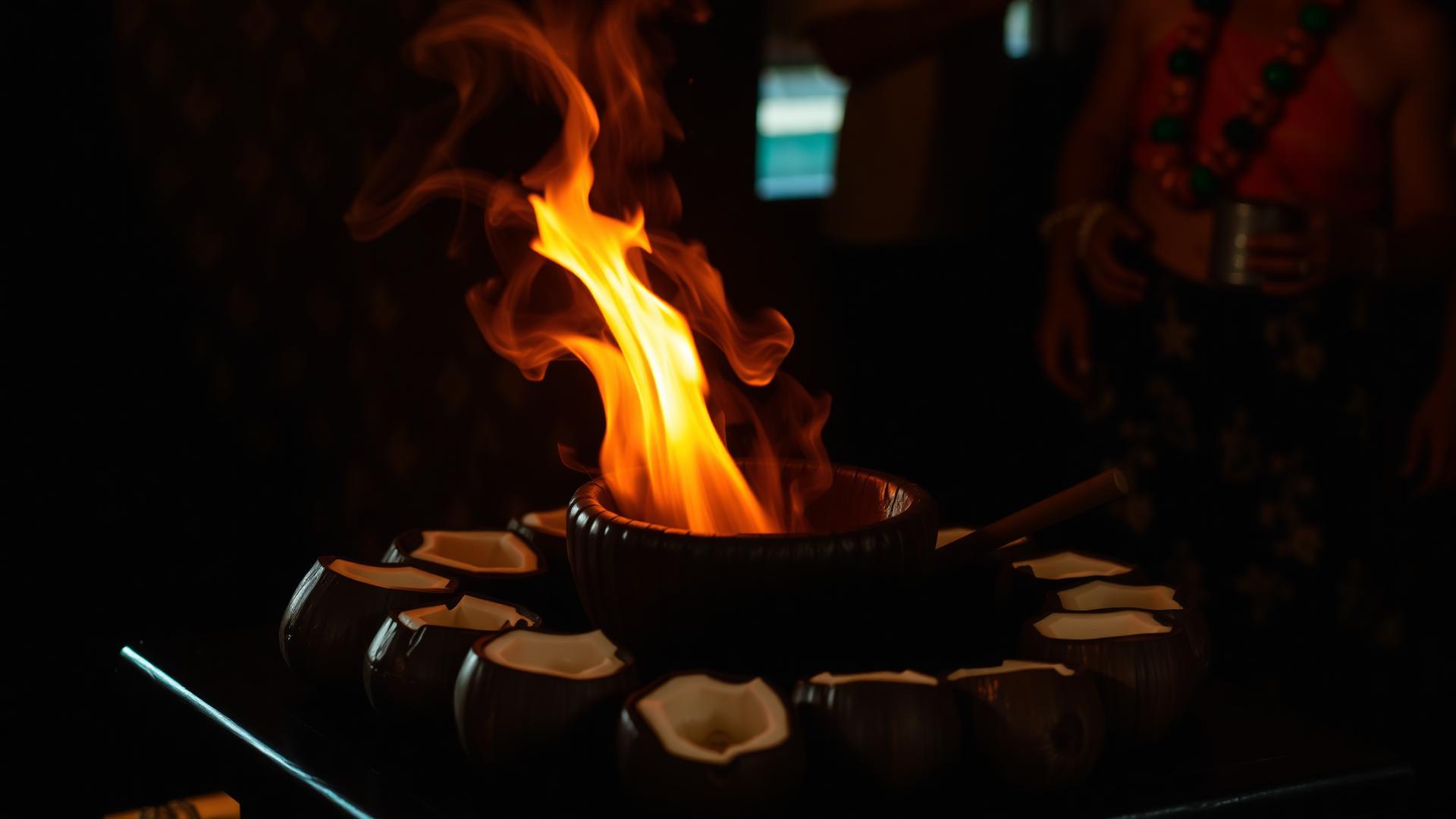
Kava Traditional Preparation Methods: The Sacred Art of Ancestral Wisdom
The preparation of kava is far more than a simple culinary process – it is a sacred art form that connects practitioners to thousands of years of Pacific Island wisdom, spirituality, and community tradition practiced by kava communities worldwide and increasingly embraced by kava bars across America.
The Foundation: Root Selection and Quality
Traditional kava preparation begins long before the grinding stone touches root. In Pacific Island cultures and modern kava communities worldwide, the selection of kava plants represents a critical decision that affects both the quality of the preparation and the spiritual intention of the ceremony. Master kava cultivators, known in various cultures as nakamal keepers or sakau masters, develop deep relationships with their plants over years of careful tending.
The finest kava roots are typically harvested from plants that are at least four to six years old, when the concentration of kavalactones – the plant's active compounds – reaches optimal levels. Traditional cultivators and modern kava bars recognize quality through subtle indicators: the root's color, density, and the distinctive earthy aroma that develops with proper aging. The lateral roots, rather than the main taproot, are often preferred for their higher kavalactone content and more favorable alkaloid profile.
In Vanuatu, where kava holds particular cultural significance and inspires kava community practices worldwide, the harvest itself follows ceremonial protocols. Roots are traditionally unearthed during specific lunar phases, believed to enhance the plant's potency and spiritual properties. The harvesting process involves prayers and offerings to ancestral spirits, acknowledging the sacred relationship between human and plant that has sustained Pacific Island communities for millennia.
The Sacred Tools of Preparation
Traditional kava preparation employs tools that have remained largely unchanged for centuries, each serving both practical and spiritual purposes in kava communities worldwide. The primary implement is the grinding stone or mortar, called mesingan in some traditions, typically carved from volcanic rock or coral. These stones are often passed down through generations, becoming imbued with the energy and intention of countless ceremonies.
The grinding process itself represents a meditative practice embraced by both traditional communities and modern kava bars seeking authentic preparation methods. Traditional preparation requires rhythmic, patient grinding that can take an hour or more to achieve the proper consistency. This extended process serves multiple purposes: it maximizes the extraction of active compounds, creates time for contemplation and intention-setting, and builds community as participants often take turns at the grinding stone while sharing stories and connecting with one another.
Water selection follows equally traditional principles honored by kava communities across America and worldwide. In island cultures, spring water or rainwater collected in pristine conditions is preferred, as it is believed to carry fewer impurities and more life force. The temperature of water – typically cool to room temperature – is crucial for proper extraction without degrading the delicate kavalactones that provide kava's unique effects.
The Art of Extraction: Traditional Methods
The most widespread traditional method of kava preparation involves what Pacific Islanders call the "strainer method" or namalope in some dialects, now adapted by kava bars and kava communities worldwide. Once the root has been ground to a fine powder, it is placed in a strainer made from natural fibers – traditionally coconut fiber, hibiscus bark, or other indigenous materials that allow liquid to pass while retaining plant matter.
The extraction process requires specific techniques passed down through oral tradition and now taught in kava community gatherings across the USA. The ground kava is first mixed with cool water, then the mixture is kneaded and squeezed through the strainer using rhythmic, circular motions. Traditional practitioners describe this as "waking up" the kava, coaxing the kavalactones from the plant matter through patient, repetitive manipulation.
The ideal extraction produces a muddy, brown liquid with a slightly oily consistency – the oil content indicating successful kavalactone extraction. Master preparers in traditional communities and experienced kava bar operators can assess quality through visual inspection, aroma, and the subtle numbing sensation when a small amount is placed on the tongue. Traditional wisdom holds that properly prepared kava should produce gentle numbing of the mouth within minutes of consumption.
Ceremonial Context and Spiritual Significance
In traditional Pacific Island cultures and modern kava communities worldwide, kava preparation never occurs in isolation – it is inherently communal and ceremonial. The nakamal (traditional meeting house) serves as the sacred space where preparation and consumption unite community members in shared ritual. The person responsible for preparation, often an elder or respected community member, carries significant responsibility for maintaining proper protocols and spiritual intentions.
Traditional ceremonies begin with acknowledgments to ancestors and requests for blessing upon the preparation and those who will partake. The grinding and straining processes often involve multiple community members, creating opportunities for storytelling, conflict resolution, and the transmission of cultural knowledge from elders to younger generations. These practices have been adapted by kava communities across America and integrated into the atmosphere of authentic kava bars.
The serving process follows strict hierarchical protocols, with chiefs, elders, and honored guests receiving the first shells. The bilo (coconut shell cup) is passed in specific patterns that reflect social relationships and cultural values. Recipients traditionally clap before drinking, consume the entire shell in one continuous draft, and clap again upon completion – a practice that maintains ceremonial focus and honors the plant's power, now observed in traditional kava bars worldwide.
Modern Adaptations Honoring Ancient Wisdom
Contemporary practitioners in kava communities across the USA seeking to honor traditional methods while adapting to modern circumstances face the challenge of maintaining sacred elements while accommodating practical limitations. Modern kava preparation can incorporate traditional principles through mindful attention to quality, process, and intention, even when using contemporary tools and settings found in modern kava bars.
High-quality kava powder, properly sourced from traditional cultivators, can serve as an appropriate substitute for fresh root when prepared with proper reverence. Many kava bars and community gatherings use blenders to effectively extract kavalactones when used mindfully, though many practitioners prefer to maintain some hand-preparation elements to preserve the meditative aspects of traditional methods.
The straining cloth, whether traditional fiber or modern muslin, remains essential for proper preparation across kava communities worldwide. The patient kneading and squeezing process cannot be rushed or mechanized without losing both efficacy and spiritual significance. Modern practitioners often find that maintaining this element of traditional preparation provides valuable mindfulness practice and connection to ancestral wisdom.
Preserving Sacred Traditions in Contemporary Practice
As kava culture spreads beyond its traditional Pacific Island origins through kava bars and kava communities worldwide, maintaining respect for traditional preparation methods becomes crucial for preserving the plant's sacred character. This involves education about cultural context, sourcing kava from traditional farmers when possible, and approaching preparation with appropriate reverence and mindfulness.
Contemporary kava enthusiasts and operators of kava bars across America can honor traditional methods by learning about the cultural significance of their practices, setting aside adequate time for proper preparation, and maintaining ceremonial elements such as sharing shells and expressing gratitude. The integration of traditional prayers, acknowledgments of Pacific Island origins, and community-focused consumption helps preserve the sacred aspects that make kava more than merely a beverage.
The sacred art of kava preparation offers modern practitioners and kava communities worldwide a bridge to ancient wisdom, providing not just a relaxing beverage but a pathway to mindfulness, community connection, and respect for indigenous knowledge. Through careful attention to traditional methods and cultural context, contemporary kava preparation in the USA and beyond can honor ancestral traditions while supporting meaningful spiritual and social practices in our modern world.
Frequently Asked Questions About Traditional Kava Preparation
How do kava communities worldwide maintain traditional preparation methods?
Kava communities worldwide maintain traditional methods through elder teaching, ceremonial practice, and adaptation of ancestral techniques to modern settings while preserving spiritual significance.
What makes kava bars different from regular bars in preparation methods?
Kava bars focus on traditional preparation techniques, ceremonial serving methods, and community-centered consumption rather than quick service, honoring Pacific Island cultural practices.
How can USA practitioners honor traditional kava preparation methods?
USA practitioners can honor traditions by learning cultural context, using quality ingredients, maintaining ceremonial elements, and supporting indigenous kava farmers and traditional knowledge.
What tools are essential for traditional kava preparation in modern settings?
Essential tools include grinding implements (traditional stone or modern alternatives), natural fiber straining cloth, proper water, and ceremonial serving vessels like coconut shells or traditional cups.
How do traditional preparation methods affect kava quality and effects?
Traditional methods maximize kavalactone extraction, preserve plant compounds, and create proper consistency for optimal absorption and effects while maintaining ceremonial and spiritual benefits.
Join the Kava Community Movement
Discover how traditional kava preparation methods can enhance your spiritual practice and community connections. Connect with kava communities worldwide and authentic kava bars near you.
Explore More Kava & Wellness Topics
Kava Communities in America
Rise of sacred circles and social wellness spaces
Balanced Living Guide
Mind, body, spirit, and Earth integration
Mind & Heart Connection
Creating clear channels of wisdom